Dr O Dadashian
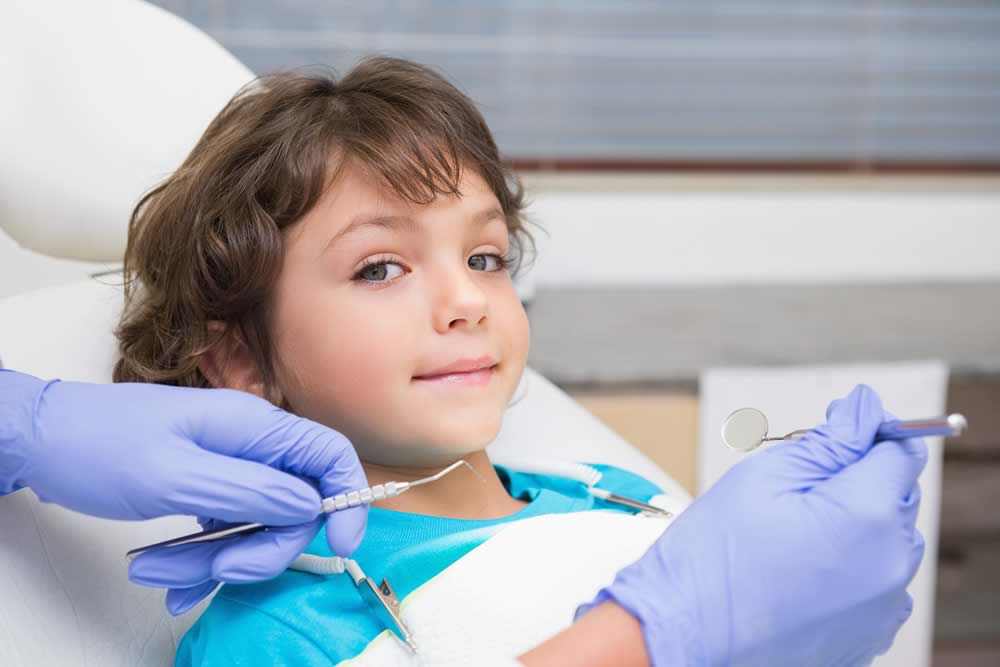
Every parent has witnessed it – the moment their child realizes they’re heading to the dentist. The tears, the resistance, the pleading to go home. While it might seem like a normal part of childhood, dental anxiety can have serious long-term consequences for your child’s oral health that extend far beyond those difficult appointments.
The Hidden Cost of Dental Fear
When children develop anxiety around dental visits, it creates a cycle that can impact their oral health for decades. Research involving nearly 5,000 children has revealed just how significant this problem really is. Children who experience high levels of dental anxiety are more likely to avoid necessary treatments, leading to more complex problems later in life.
Think about it this way: a small cavity that could be easily treated in a cooperative child might progress to require more extensive treatment – or even tooth loss – in a child who consistently avoids or disrupts dental care. This pattern doesn’t just disappear when children become adults; it often intensifies, leading to serious oral health complications.
The most concerning aspect is how childhood dental anxiety affects the body’s stress response. When children are highly anxious during dental procedures, their heart rate increases, their breathing becomes shallow, and their body releases stress hormones. This physiological response can make them less cooperative, turning routine procedures into challenging experiences for everyone involved.
The Long-Term Impact on Adult Oral Health
Here’s what many parents don’t realize: the oral health habits and experiences formed in childhood directly influence whether someone will need treatments like dental implants later in life. Children who consistently avoid dental care due to anxiety often develop:
When these issues compound over time, they can result in significant tooth loss requiring replacement with dental implants. However, the success rate of dental implants is closely tied to overall oral health – something that’s established early in life through positive dental experiences.
Research consistently shows that patients with good oral health from childhood have significantly higher implant survival rates. The bone density, gum health, and oral hygiene habits necessary for successful implants are all developed through regular, positive dental care starting in childhood.
Modern Solutions: How We’re Changing the Game
The good news is that dental professionals have developed sophisticated techniques to help anxious children feel more comfortable. A comprehensive analysis of 62 studies has identified several highly effective approaches that are transforming pediatric dental care.
Audiovisual Distraction has emerged as one of the most successful techniques. This involves using tablets, virtual reality headsets, or ceiling-mounted screens to engage children’s attention during treatment. Studies show that children using these methods experience:
Music Therapy has also proven remarkably effective. Research demonstrates that children who listen to music during dental procedures show measurably lower heart rates and reduced anxiety compared to those who don’t. The key is choosing age-appropriate music that the child finds calming and engaging.
Modelling Techniques involve showing children videos of other children successfully completing dental procedures. This helps them understand what to expect and see that dental treatment can be a positive experience. Studies indicate that children who watch these educational videos before their appointments show significantly less disruptive behaviour during treatment.
Age-Appropriate Approaches
Different techniques work better for different age groups, and understanding this can help parents prepare their children more effectively:
Younger children (under 8 years) respond best to:
Older children (8+ years) often prefer:
Interestingly, some advanced techniques like virtual reality headsets can actually increase anxiety in very young children because they completely block out their surroundings, making them feel disconnected from their parents.
The Ripple Effect of Positive Experiences
When children have positive dental experiences, the benefits extend far beyond that single appointment. Research shows that children who feel comfortable at the dentist are more likely to:
This creates a positive cycle where good childhood experiences lead to better adult oral health, which in turn means fewer complex treatments are needed later in life.
What Parents Can Do
Understanding these techniques can help parents advocate for their children’s care and choose dental practices that prioritize anxiety management. When selecting a paediatric dentist, consider asking about:
Remember, investing in your child’s comfort during dental visits isn’t just about making appointments easier – it’s about setting the foundation for a lifetime of good oral health.
Looking to the Future
As our understanding of childhood dental anxiety continues to grow, new techniques are constantly being developed and refined. The goal isn’t to eliminate all awareness of dental treatment, but rather to help children develop healthy coping mechanisms and positive associations with oral healthcare.
Every positive dental experience in childhood is an investment in your child’s future oral health – and potentially in avoiding the need for complex treatments like dental implants later in life. By addressing anxiety early and effectively, we can help ensure that today’s children grow up to be adults with healthy, complete smiles.
References:
Design By Dental Media

